Flossing and Its Impact on Heart and Brain Health
Published Dec 24, 2025

Flossing and Its Impact on Heart and Brain Health Keeping your mouth clean is usually seen as a way to have a nice smile, but new research shows it can help your heart and brain too. A study shared at the American Stroke Association’s 2025 meeting shows that something as simple as flossing can make a difference in your heart and brain health.
The study found that people who flossed at least once a week had a lower chance of certain health problems. They had a 22% lower risk of poor blood flow to the brain, a 44% lower risk of blockages in the heart, and a 12% lower risk of irregular heartbeats. These benefits were seen even in people who didn’t brush their teeth often or go to the dentist regularly. This suggests that flossing has its own special value, separate from other oral hygiene habits.
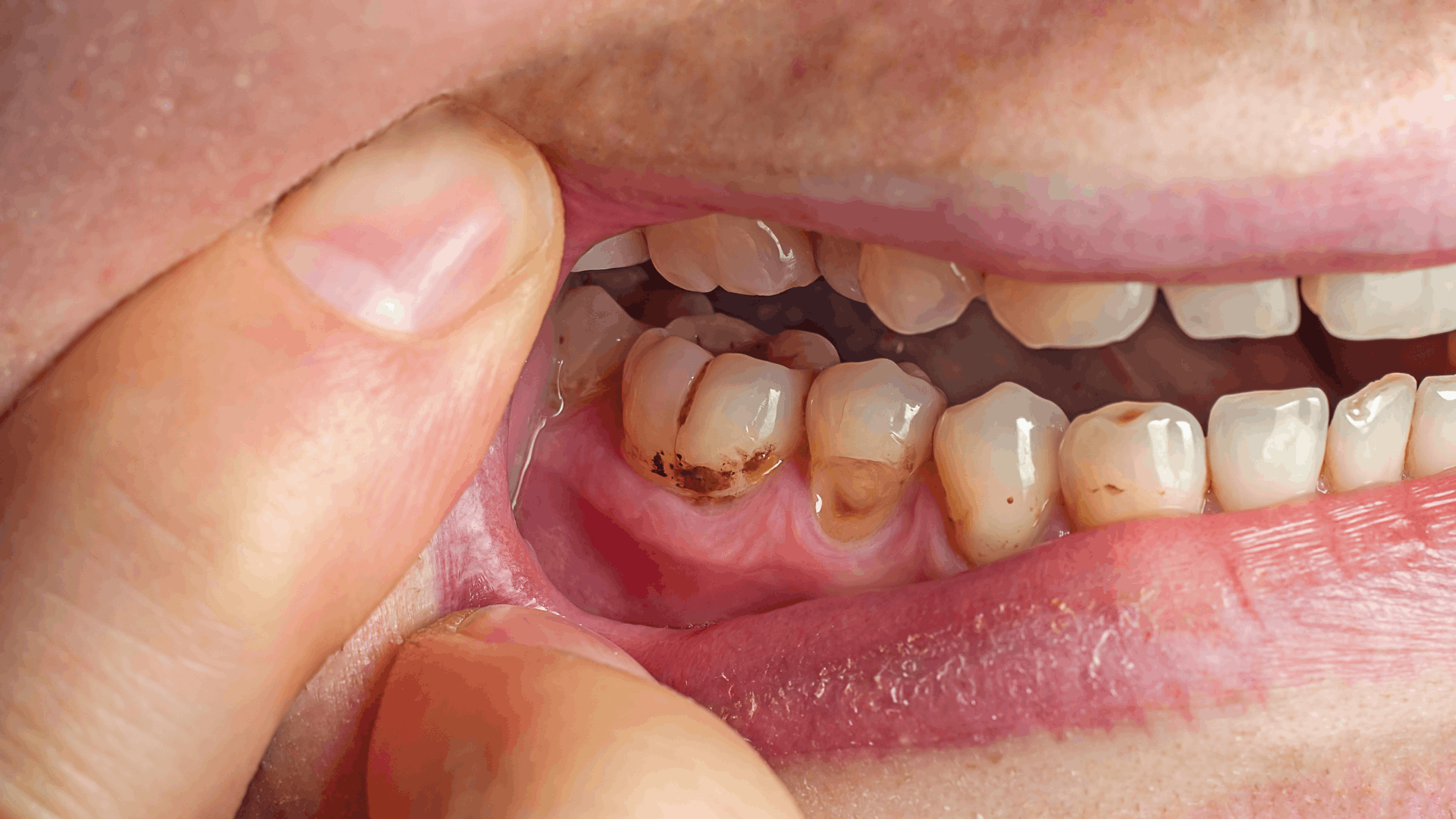
The reason has to do with inflammation. When plaque and bacteria build up between teeth, it can lead to long-term gum inflammation. This inflammation can move into the bloodstream and harm blood vessels, leading to clots and problems with the heart’s rhythm. Over time, these issues can raise the risk of serious heart and brain-related diseases.
Flossing helps get rid of plaque in spots a toothbrush can't reach, which lowers the inflammation at its start. Even though flossing is a small daily task, it can be a powerful way to help your mouth, heart, and brain stay healthy. This shows that taking care of your health often starts with simple and regular actions.
Sources:
American Stroke Association (2025); University of South Carolina
The study found that people who flossed at least once a week had a lower chance of certain health problems. They had a 22% lower risk of poor blood flow to the brain, a 44% lower risk of blockages in the heart, and a 12% lower risk of irregular heartbeats. These benefits were seen even in people who didn’t brush their teeth often or go to the dentist regularly. This suggests that flossing has its own special value, separate from other oral hygiene habits.
The reason has to do with inflammation. When plaque and bacteria build up between teeth, it can lead to long-term gum inflammation. This inflammation can move into the bloodstream and harm blood vessels, leading to clots and problems with the heart’s rhythm. Over time, these issues can raise the risk of serious heart and brain-related diseases.
Flossing helps get rid of plaque in spots a toothbrush can't reach, which lowers the inflammation at its start. Even though flossing is a small daily task, it can be a powerful way to help your mouth, heart, and brain stay healthy. This shows that taking care of your health often starts with simple and regular actions.
Sources:
American Stroke Association (2025); University of South Carolina